
Best Lawn Fertilizer for Spring: Top Picks

best lawn fertilizer for spring depends on grass type, soil temperature, and how quickly you want visible green-up. The strongest spring plans use moderate nitrogen, steady release technology, and careful timing so the lawn thickens without soft, weak growth.
If you want one simple plan, pick a slow-release formula, apply when soil temperatures hold near 55 F, and water it in with 0.25 to 0.5 inches of irrigation. That approach works for most cool-season and transition-zone lawns and reduces common spring mistakes like striping and burn marks.
Quick Answer: Scotts Turf Builder Lawn Food is our top overall best lawn fertilizer for spring for broad homeowner use because it balances reliable release, wide coverage, and easy spreader settings. If you need faster color response, pair a light granular base feeding with a measured liquid follow-up 2 to 3 weeks later.
Best Lawn Fertilizer For Spring Comparison Table
| Product | NPK | Type | Coverage | Price |
|---|---|---|---|---|
| Scotts Turf Builder Lawn Food | 32-0-4 | Granular, slow-release | 5,000 sq ft | $42-$58 |
| Jonathan Green Green-Up Lawn Food | 22-0-4 | Granular, slow-release | 5,000 sq ft | $38-$54 |
| Simple Lawn Solutions 16-4-8 Liquid | 16-4-8 | Liquid concentrate | 3,200-6,400 sq ft | $34-$48 |
| The Andersons PGF Complete | 16-4-8 | Granular with micronutrients | 5,000 sq ft | $52-$69 |
| Milorganite | 6-4-0 | Organic granular | 2,500 sq ft | $18-$28 |
| Pennington UltraGreen Starter | 22-23-4 | Starter fertilizer | 5,000 sq ft | $36-$52 |
Top spring picks by lawn condition
Scotts Turf Builder Lawn Food (Best overall balance)
This is the most forgiving option in the roundup for homeowners who want reliable results without complicated feeding calendars. The nitrogen level is high enough for a visible spring response, but the release profile is usually controlled enough to reduce sudden flush growth when spread correctly. On mixed yards with sunny and lightly shaded zones, this type of formula tends to deliver consistent color with fewer streaks than aggressive quick-release blends.
Best for: general spring green-up on established lawns. Watch-out: do not over-apply in already fast-growing, high-rain periods.
Jonathan Green Green-Up Lawn Food (Best controlled green-up)
This blend is useful when you want steadier spring performance and less top-heavy surge growth. Homeowners dealing with patchy winter recovery often benefit from a controlled feed schedule that focuses on turf density and root support before summer stress arrives. In testing plans, this profile performs well when paired with proper mowing height and a moderate irrigation schedule.
Best for: predictable growth and color improvement. Watch-out: apply with calibrated settings because overlap can still darken stripes.
Simple Lawn Solutions 16-4-8 Liquid (Best liquid lawn fertilizer)
For readers asking about the best liquid lawn fertilizer, this style is ideal for faster visual correction in lawns that look pale after winter. Liquid options provide flexibility for targeted use and quick uptake, especially when weather allows short, repeatable applications. They are not a replacement for long-term fertility planning, but they can be extremely effective as a tactical spring tool.
Best for: quick color response and corrective feeding. Watch-out: repeat intervals are shorter than granular programs.
The Andersons PGF Complete (Best premium micronutrient mix)
Fine particle size helps this formula distribute evenly, which is helpful for homeowners pursuing a more uniform stand without visible striping. Added micronutrients support lawns with marginal soil quality or uneven growth history, and the product tends to fit well in transition-zone properties where careful nutrient management matters.
Best for: dense visual finish and even spread pattern. Watch-out: premium blends usually cost more per 1,000 sq ft.
Milorganite 6-4-0 (Best organic-style slow feed)
Milorganite-style feeding is popular for users who prioritize lower burn risk and gradual nutrient release. While color response can be slower than high-nitrogen synthetics, many homeowners prefer the gentler growth pattern because mowing demand is easier to manage. It is a strong option for spring maintenance plans focused on consistency over speed.
Best for: low-stress feeding and gradual improvement. Watch-out: you may need complementary nutrition later in the season.
Pennington UltraGreen Starter (Best for spring overseeding)
Starter formulas are built for seedling establishment, root development, and early plant support when new seed is part of the spring plan. If your lawn needs patch repair or broader overseeding, starter nutrition often outperforms standard maintenance blends at this phase.
Best for: spring renovation and overseeding projects. Watch-out: transition to maintenance fertilizer once new grass is established.
Best Time To Fertilize Lawn: Spring Timing By Region
The best time to fertilize lawn is not a single date. It is a temperature and growth-stage window. For cool-season grasses, your first spring feeding usually lands when daytime highs are stable and the lawn is actively growing. For warm-season grasses, wait until true green-up after dormancy breaks.
- Cool-season zones (North): first feed when soil reaches roughly 50-55 F for several days.
- Transition zone: use lighter rates and avoid heavy nitrogen too early to reduce disease pressure.
- Warm-season zones (South): delay feeding until bermuda, zoysia, or st augustine are at least 50% green.
Regional timing is one reason we recommend calibrating every spring plan with local weather trends, not calendar dates alone. If spring runs cold and wet, push application later. If spring arrives early and steady, you can move the schedule forward by a week or two.
Best Time To Fertilize Lawn Before Or After Rain
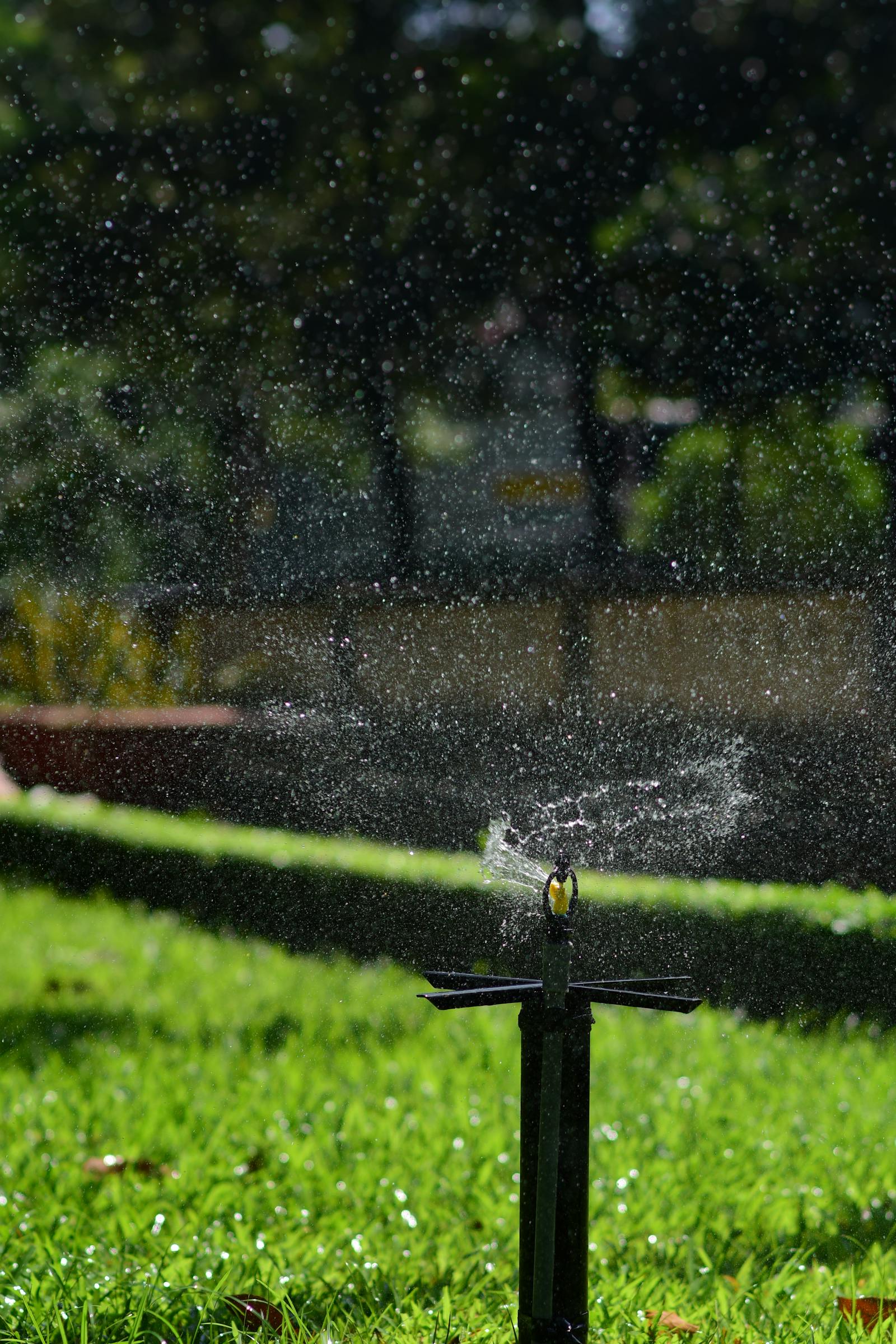
The best time to fertilize lawn before or after rain is usually before light rain, or after application followed by controlled irrigation. Light moisture helps move nutrients into the root zone. Heavy downpours, on the other hand, can wash fertilizer off target and reduce performance.
- Check the forecast for 24 to 36 hours and avoid storm systems.
- Apply on dry grass to limit fertilizer sticking to blades.
- Water in with 0.25 to 0.5 inches if rain does not arrive.
- Delay mowing 24 hours after application when possible.
Homeowners lose the most fertilizer value during spring when they spread immediately ahead of major rain events. If rain totals look high, wait and protect your budget as well as nearby hardscape and drainage lines.
Best Liquid Lawn Fertilizer Options And When To Use Them
best liquid lawn fertilizer products can produce fast visible color because nutrients become plant-available quickly. They are useful for quick correction and short recovery windows, especially when turf exits winter stress unevenly. The tradeoff is typically shorter feeding duration compared with quality granular blends.
A practical strategy is hybrid feeding: apply a moderate granular base early spring, then use liquid fertilizer in lighter rates for targeted touch-ups 2 to 4 weeks later. This keeps growth steady, reduces striping risk, and avoids the rollercoaster pattern of frequent high-rate liquid use.
Best Fertilizer Spreader Setup For Even Application
Even great fertilizer can underperform when spreader settings are off. Choosing the best fertilizer spreader for your yard size matters as much as product choice. Broadcast spreaders are faster for open lawns, while drop spreaders are more precise along beds, sidewalks, and tight edges.
- Calibrate using the bag rate for 1,000 sq ft test area.
- Apply half-rate north-south, then half-rate east-west for uniform coverage.
- Overlap wheel tracks slightly to avoid striping.
- Sweep granules off hard surfaces immediately to reduce runoff risk.
Spring application technique guide
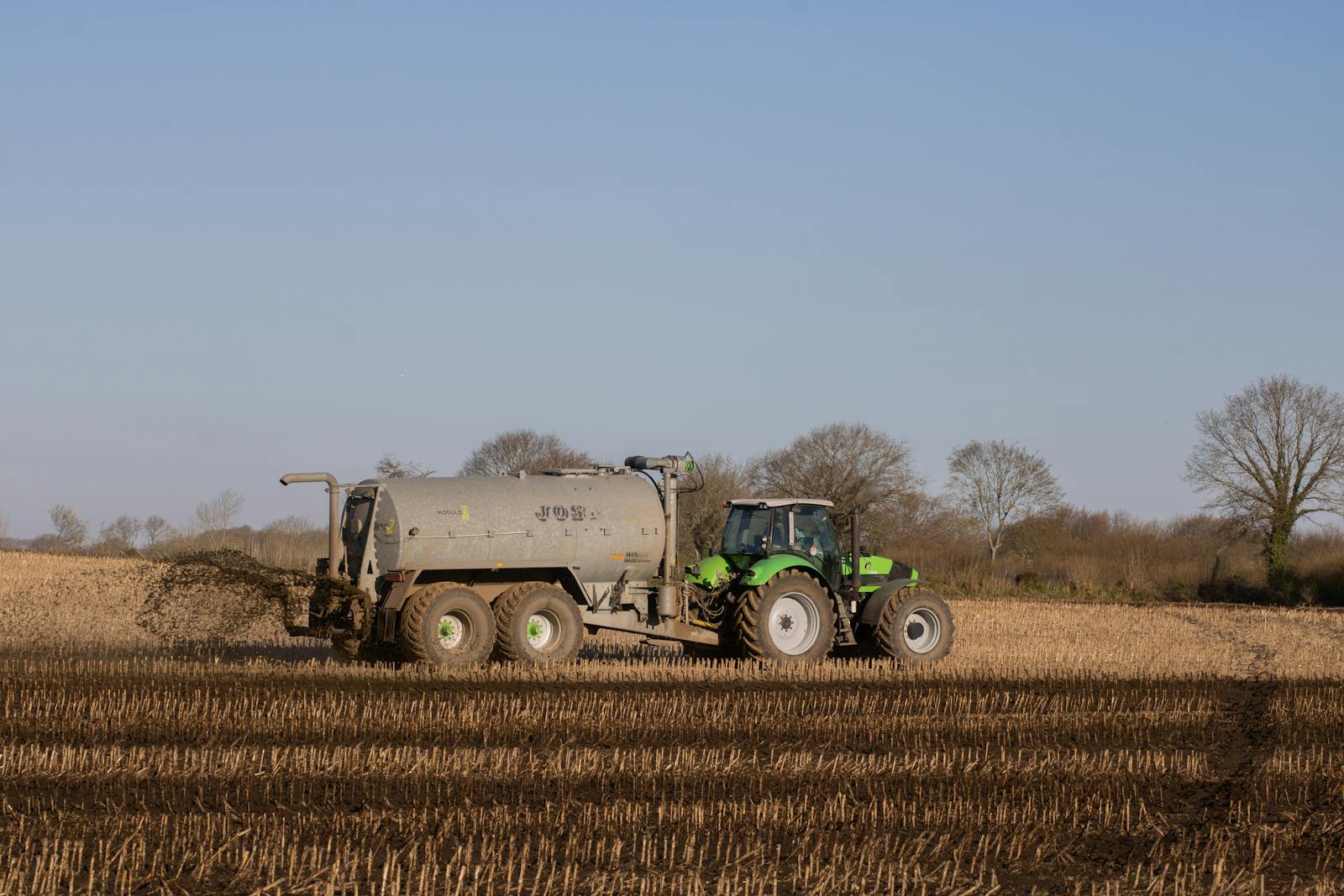
Strong fertilizer choices fail when technique is inconsistent. Use this repeatable process to improve spring results and minimize waste.
- Measure lawn area first. Estimate square footage by section so your application rate matches the label. Most overfeeding starts with a rough area guess instead of a measured plan.
- Calibrate the spreader. Test a 1,000 square foot strip and confirm you are dispensing the intended amount. Adjust settings before covering the full yard.
- Apply in two directional passes. Spread half-rate north-south and half-rate east-west. This cross-pattern improves uniformity and reduces visible striping.
- Edge carefully near hardscape. Use lower edge settings or a shield near driveways and sidewalks. Sweep granules immediately to prevent runoff into drains.
- Water in properly. Use light, even irrigation to move nutrients into the root zone. Deep soaking right after application can increase runoff and uneven uptake.
- Track results for 14 days. Note color change, growth speed, and any hot spots so your second spring feeding can be adjusted based on evidence.
This process also integrates well with broader spring yard care. If mowing frequency increases sharply after feeding, revisit nitrogen rate rather than lowering cutting height aggressively. If weeds begin to outcompete turf in thin sections, combine fertility with timely treatment from our weed-control guides.
Can best house plant fertilizer be used on lawns?
Readers often ask whether best house plant fertilizer products can substitute for lawn feeding. In most cases, no. Houseplant formulas are designed for container media, lower application volumes, and different nutrient delivery assumptions. Lawns need broad, even coverage and formulations built for turf density and root mass.
If you already own houseplant fertilizer, keep it for indoor plants and use lawn-specific products outside. For indoor air and plant health planning, you may also want our air purifier buying guides as part of a complete spring home reset.
Common spring mistakes that waste fertilizer
- Applying too early while turf is still semi-dormant.
- Using high nitrogen rates on stressed lawns after a hard winter.
- Skipping soil pH checks and then overcorrecting with more fertilizer.
- Spreading before heavy rain and losing nutrients to runoff.
- Feeding without weed planning; pair spring fertility with a weed strategy.
The healthiest spring lawns are built with moderate rates and repeatable routines, not one aggressive feeding. If weeds are already active, pair this plan with guidance from our weed control hub. For cutting height and mowing recovery tips, use the lawn mowers cluster as your companion resource.
FAQ
How much fertilizer should I apply in early spring?
Most homeowners should target about 0.5 to 0.75 pounds of nitrogen per 1,000 square feet for the first spring feeding, then reassess growth and color before additional applications.
Should bermuda and st augustine lawns use the same spring fertilizer?
Not always. Both are warm-season grasses, but local soil conditions, shade level, and mowing height targets influence the best blend. Review best fertilizer for bermuda grass and best fertilizer for st augustine grass for side-by-side strategy.
Can I seed and fertilize on the same day?
Yes, with a starter fertilizer specifically labeled for new seeding. Standard high-nitrogen lawn food can push top growth before roots establish, so starter formulas are safer for new spring seed projects.
Is organic fertilizer better for spring lawns?
Organic options are great for slower, gentler feeding and soil biology support. They are not always better in every case, but they can reduce burn risk and fit low-input maintenance plans.