
Best Chainsaw Chain Sharpener: Top Picks

best chainsaw chain sharpener choices come down to how often you cut, where you sharpen, and how much precision you need from each pass. A sharp chain cuts faster, pulls straighter, and reduces user fatigue, while a dull chain increases kickback risk and forces you to lean on the saw.
If you only sharpen occasionally, a high-quality file guide may be all you need. If you run multiple chains through hardwood each month, an electric bench setup will save time and improve consistency. This roundup is built to help you match your sharpener to real workload, not marketing claims.
Quick Answer: The Oregon 520-120 is our top overall best chainsaw chain sharpener for most homeowners and acreage users because it combines reliable angle control with fast cycle times. For field-only use, a bar-mount or 2-in-1 file system is often the better value.
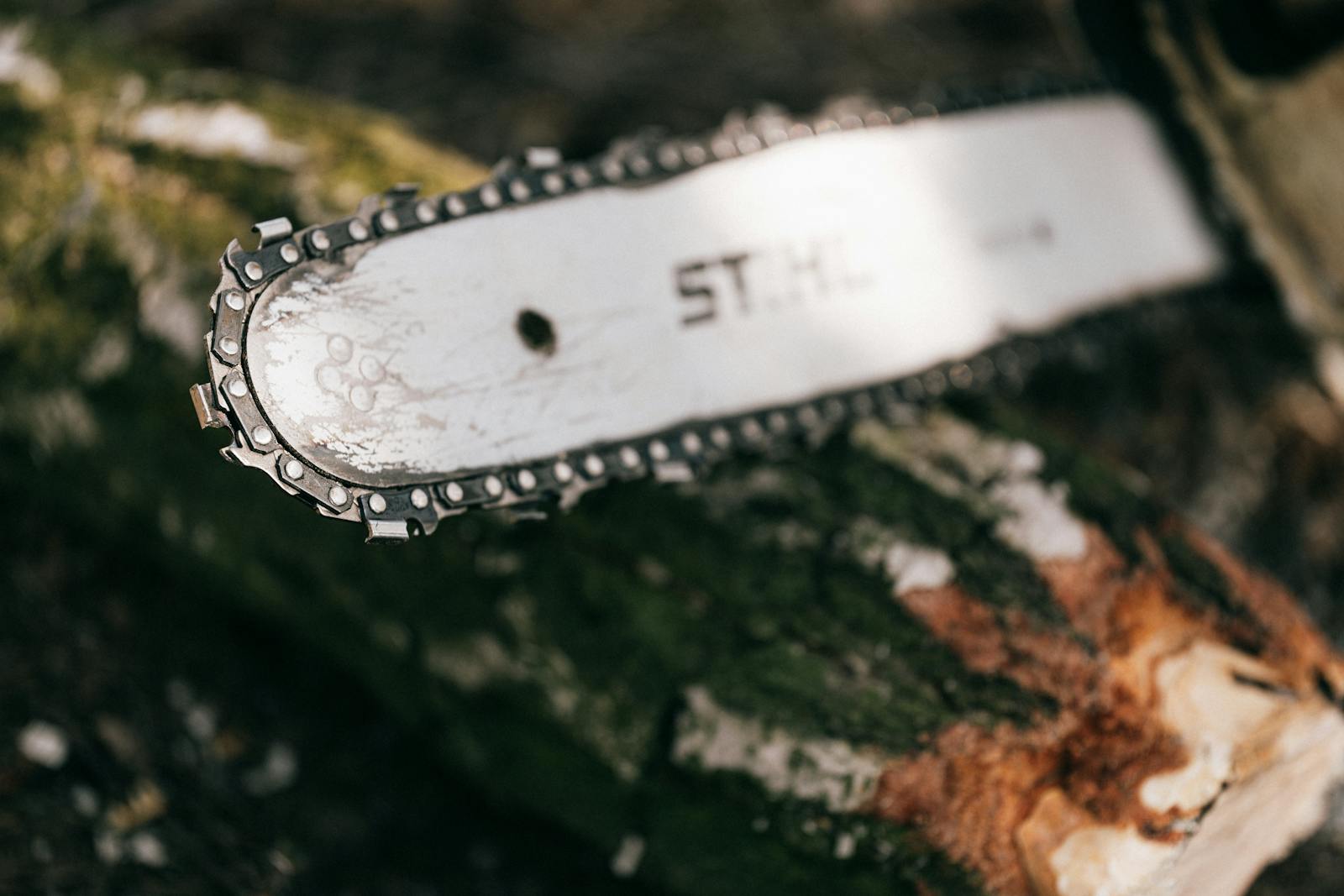
Best Chainsaw Chain Sharpener Comparison Table
| Product | Type | Compatibility | Speed | Ease of Use | Price |
|---|---|---|---|---|---|
| Oregon 520-120 | Electric bench grinder | Most 1/4, .325, 3/8, .404 chains | Very fast | Moderate setup, easy repeat | $340-$420 |
| Timberline Chainsaw Sharpener | Manual precision jig | .325 and 3/8 chains | Medium | High precision, slower pace | $120-$180 |
| Stihl 2-in-1 Easy File | Manual file guide | Pitch-specific models | Fast touch-ups | Very easy in field | $38-$56 |
| Granberg Bar-Mount | Bar-mounted file guide | Most common chain pitches | Medium | Learning curve, portable | $45-$78 |
| Buffalo Tools ECSS | Electric compact bench | .325 and 3/8 homeowner chains | Fast | Simple controls | $48-$75 |
| Pferd CS-X | 2-in-1 file system | Pitch-specific models | Fast touch-ups | Very easy | $35-$58 |
Individual sharpener reviews
Oregon 520-120 (Best overall bench sharpener)
This model is the best fit for users who want repeatable results and sharpen multiple chains at once. The adjustable vice and angle references reduce guesswork after initial calibration. Once dialed in, it can restore consistent cutter profiles quickly and with less hand fatigue than manual-only methods.
Best for: regular wood cutting and multi-chain households. Watch-out: bench models need workspace and initial setup time.
Timberline Chainsaw Sharpener (Best precision manual jig)
The Timberline approach favors precision over speed. It is a strong option for users who want clean edge geometry without investing in a powered grinder. Field users appreciate that it packs down smaller than full bench systems while still keeping angles controlled.
Best for: accuracy-focused users and off-grid sharpening. Watch-out: slower for heavy-volume sharpening days.
Stihl 2-in-1 Easy File (Best quick field touch-up)
This style of tool is excellent for maintenance sharpening between full service cycles. Because it handles cutter and depth gauge work together, it helps maintain chain performance without separate gauge tools every time. It is one of the easiest systems for beginners to keep in a saw case.
Best for: touch-ups between tanks. Watch-out: pitch-specific compatibility requires the correct model.
Granberg Bar-Mount (Best for remote acreage use)
Bar-mount sharpeners are a practical middle ground for users who work far from the shop but want more guide control than freehand filing. Once centered and secured, the Granberg style helps maintain consistent tooth length and angle in the field.
Best for: remote property maintenance. Watch-out: setup speed is slower than a simple file guide.
Buffalo Tools ECSS (Best budget electric)
This is a value electric option for homeowners who sharpen occasionally and want basic motorized assistance. It is not as robust as premium grinders, but for light-use chains it can restore edge quality effectively without a large investment.
Best for: budget users with low sharpening volume. Watch-out: components and adjustments are less refined than pro-grade units.
Sharpener types guide: electric grinder vs hand file vs bar-mount
The best system depends on where and how you cut:
- Electric grinder: fastest and most repeatable for high-volume sharpening.
- Hand file guide: lowest cost and easiest to carry; ideal for frequent touch-ups.
- Bar-mount guide: field-ready with better angle control than freehand filing.
If your cutting plan includes regular firewood processing or storm cleanup, an electric setup usually pays for itself in time and chain consistency. If you only run a saw for occasional pruning, manual systems are often enough and easier to maintain.
Sharpening workflow by usage level
Choosing the best chainsaw chain sharpener is easier when you map tool type to workload. Most dissatisfaction comes from buying a system built for a different sharpening volume than your actual use.
| User profile | Cutting frequency | Recommended sharpener | Typical routine |
|---|---|---|---|
| Occasional homeowner | 1-2 weekends/month | 2-in-1 file guide | Light touch-up every 1-2 tanks, full sharpen as needed |
| Rural property owner | Weekly seasonal cutting | Bar-mount + bench combo | Field touch-ups, bench reset every few sessions |
| Firewood-heavy household | High volume in fall/winter | Electric bench grinder | Batch sharpen multiple chains weekly |
| Professional or crew use | Frequent daily cutting | Premium bench + field file backup | Daily touch-up plus scheduled precision grinding |
This workflow approach is also useful when selecting chains by saw class. A homeowner running a best gas chainsaw for hardwood bucking benefits from keeping at least one spare, pre-sharpened chain ready. A user relying on a best pole chainsaw for pruning often needs lighter, frequent touch-ups because smaller cutter profiles lose edge quickly in dirty bark and dry branches.
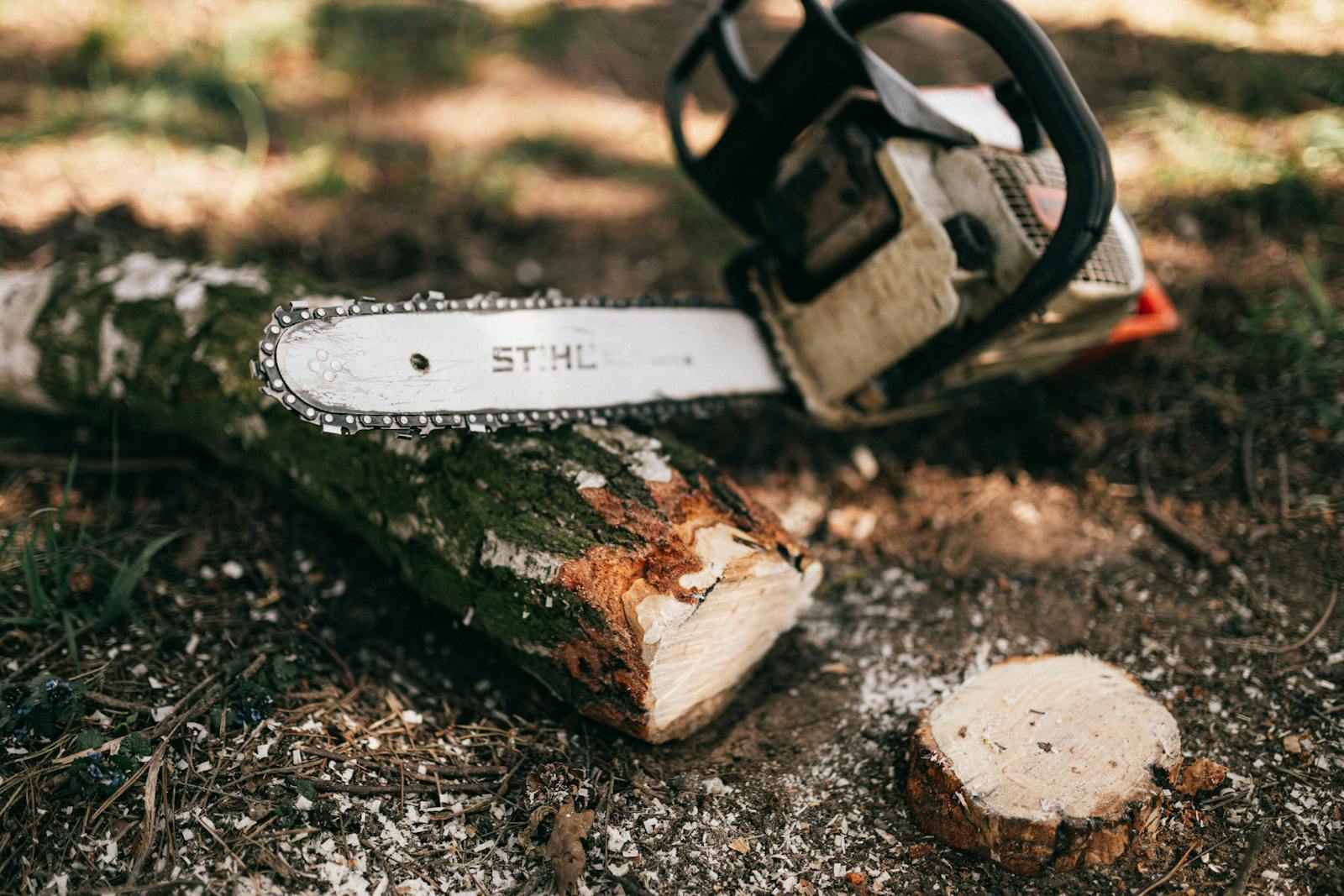
Angle and depth-gauge setup fundamentals
Sharpening performance is controlled by three variables: top plate angle, file diameter, and depth gauge height. If one is off, the saw may still cut, but it will cut slower, hotter, and with more vibration.
- Top plate angle: usually around 25 to 35 degrees depending on chain design.
- File size: match file diameter to chain pitch exactly.
- Depth gauge: verify raker height at intervals to maintain chip size.
Many users sharpen cutters repeatedly but forget depth gauge maintenance. That creates a sharp edge that still feels dull because cutters cannot take a proper bite. When your chain is sharp but cutting speed remains poor, depth gauges are usually the next item to inspect.
Heat control also matters with powered grinders. Overheating cutter tips during grinding can reduce hardness and shorten edge life. Use light contact, short passes, and let cutters cool naturally between adjustments.
Step-by-step sharpening process
- Clean and inspect chain first. Remove debris and resin so cutters and witness marks are visible.
- Set chain tension correctly. A loose chain shifts during sharpening and causes uneven cutter lengths.
- Mark a starting tooth. Use a paint marker so you know when you complete the full loop.
- Sharpen one side consistently. Keep angle and stroke count uniform for every cutter on that side.
- Switch to the opposite side. Mirror the process with equal pressure and stroke count.
- Check cutter length balance. Uneven lengths are a common reason saws cut in an arc.
- Set depth gauges. Use a depth gauge tool and file only what is required.
- Lubricate and test cut. Verify chip output and tracking before heavy production cutting.
For most homeowners, this routine is faster and safer than waiting until the chain is very dull. Frequent light sharpening removes less metal, keeps cut quality steady, and extends total chain service life.
When to sharpen vs replace chain
Sharpen immediately when you see fine dust instead of chips, feel increased feed pressure, or notice the saw pulling to one side. Those are typical signs the edge is fading.
Replace the chain when cutters approach witness marks, drive links are damaged, rivets loosen, or repeated sharpening fails to restore stable cutting. Running worn chains too long can increase bar wear and vibration stress on the saw.
If your chain wear keeps accelerating, review your broader setup: bar condition, chain tension, and lubrication flow. A sharp chain cannot compensate for poor oiling or damaged guide rails.
Common sharpener buying mistakes
- Buying without checking chain pitch and file/grinding wheel compatibility.
- Choosing a low-cost grinder for high-volume weekly sharpening.
- Ignoring spare parts and wheel availability before purchase.
- Skipping angle references and relying on visual estimation only.
- Using one sharpener setup for different chain profiles without resetting.
A good sharpener saves money only if it matches your usage and if you maintain it. Before buying, confirm replacement stones, guides, and support parts are easy to source. Long-term parts access often matters more than the initial price difference between similar models.
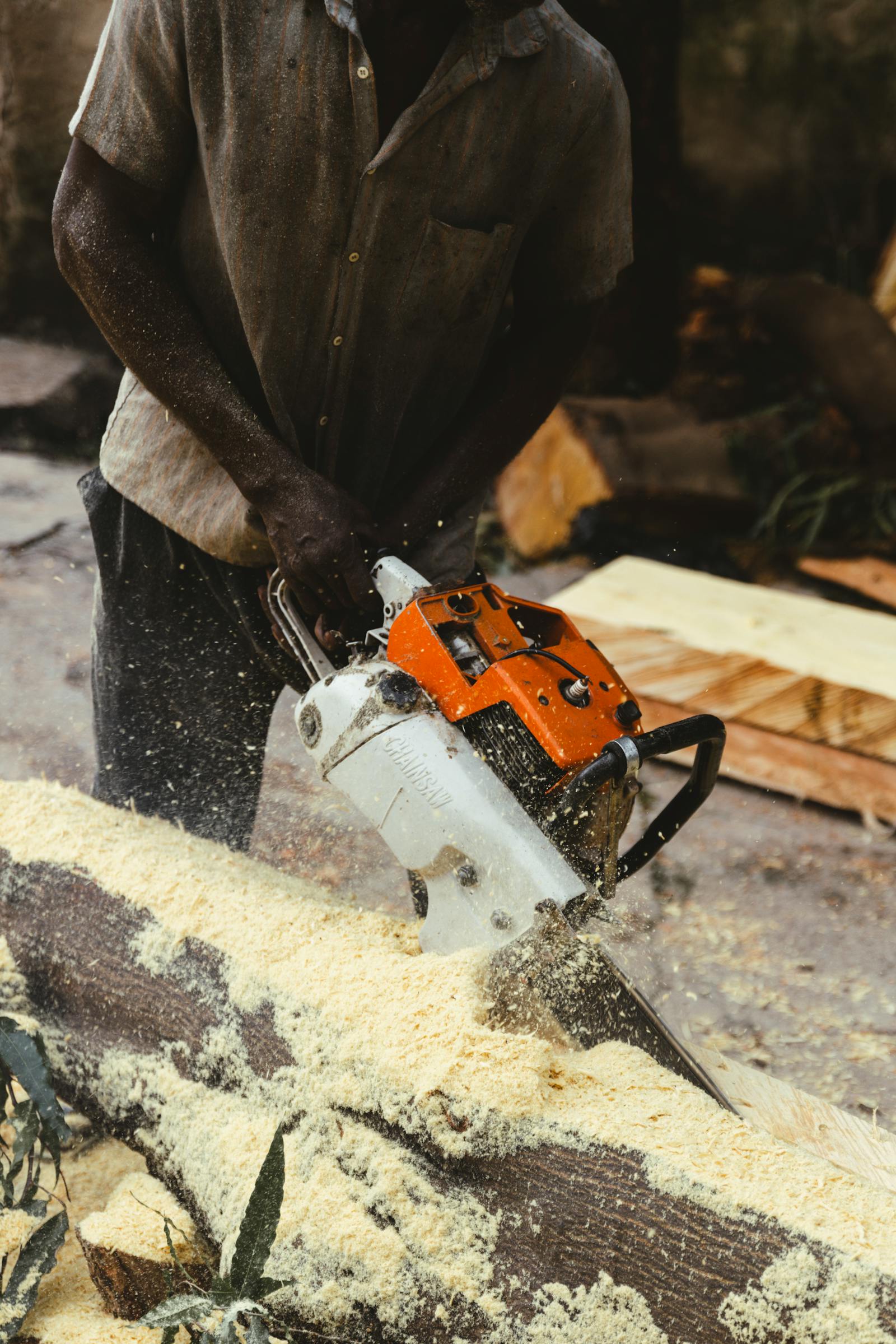
Related chainsaw picks: best gas chainsaw and best pole chainsaw
Your sharpening workflow should match your saw category. A best gas chainsaw setup used for hardwood felling typically needs more frequent, controlled sharpening than a light pruning saw. If you run a best pole chainsaw for seasonal trimming, quick-touch field files may be enough between occasional full sharpen cycles.
Safety gear remains non-negotiable regardless of tool choice. Include chainsaw chaps, eye protection, hearing protection, and gloves when sharpening and cutting. We cover broader power-equipment maintenance in our leaf blower and outdoor equipment guides as well.
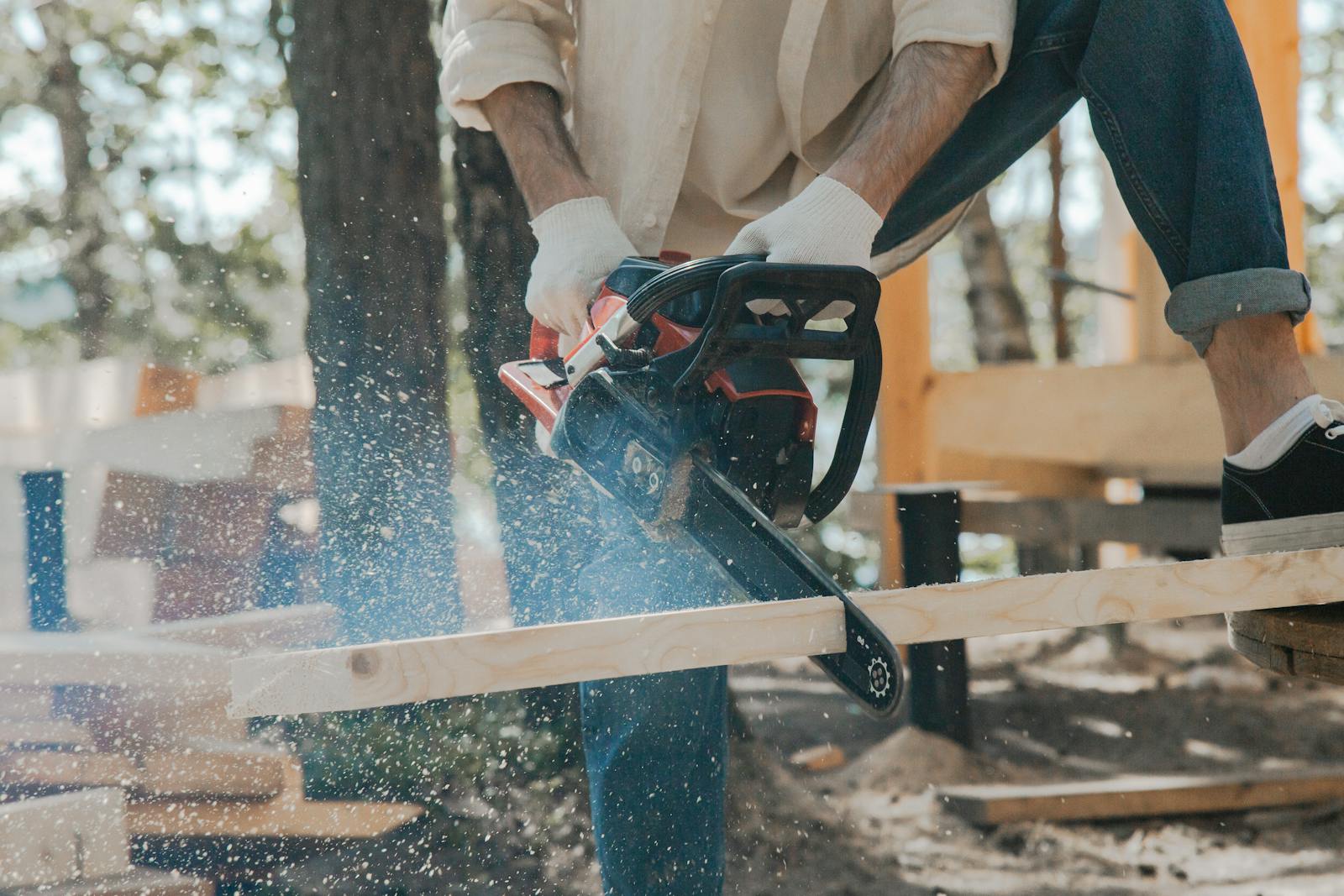
Maintenance cost planning for sharpening systems
Long-term sharpener value depends on consumables, not only initial tool cost. Electric grinders require wheels and occasional alignment checks. Manual systems require files that wear down and must be replaced regularly to keep cut quality stable.
For most homeowners, annual sharpening costs remain manageable when sharpening is frequent and light rather than rare and aggressive. Small, consistent touch-ups remove less cutter material, reduce replacement chain frequency, and keep saw efficiency high.
It also helps to track chains by label or number. Rotating two to three chains per saw reduces downtime and lets you sharpen in batches. Batch sharpening improves consistency because your angles and setup remain fixed during one session.
If your property plan includes multiple outdoor tools, coordinate maintenance windows across categories. The same seasonal check that covers chain condition should also review blower fuel lines, mower blades, and other high-use equipment in your outdoor power workflow.
FAQ
Can beginners use an electric chain sharpener safely?
Yes, when the unit is mounted securely and angle settings are checked before each session. Start slowly, remove minimal material, and compare left/right cutter length frequently.
How much metal should I remove per sharpening pass?
Only enough to restore a clean edge. Heavy grinding removes chain life quickly and can overheat cutters, reducing durability.
Should depth gauges be adjusted every sharpening?
Not always every session, but check them regularly. If depth gauges remain too high after repeated sharpening, cutting speed drops even with sharp cutters.
Do professional users carry multiple sharpeners?
Often yes. Many crews use fast field touch-up tools during the day and complete precision grinding back at the shop.