
When to Transplant Tomatoes for Stronger Roots and Less Shock
When to transplant tomatoes is after frost danger has passed, nighttime lows stay above 50°F, soil is at least 60°F, and seedlings have been hardened off for about 7 to 10 days. The strongest transplants are compact, dark green plants roughly 6 to 10 inches tall with several true leaves and no need to fight cold, wet soil on day one.
When to transplant tomatoes is mostly a temperature question, not a calendar question, because tomato transplant timing only works when air, soil, and seedling maturity line up at the same time. Gardeners who wait for warm soil, stable nighttime temperatures, and properly hardened plants usually lose less growth to tomato transplant shock than gardeners who rush seedlings outside right after the last frost date appears on a chart.
The site already covers how to harden off seedlings, a full seed starting calendar by zone, and detailed tomato-growing workflows for both starting tomatoes from seed and growing tomatoes in pots. This page is narrower by design: it answers the exact moment to move tomatoes from protected conditions into beds, raised planters, or containers without stalling root growth.
What Signals Tell You When to Transplant Tomatoes?
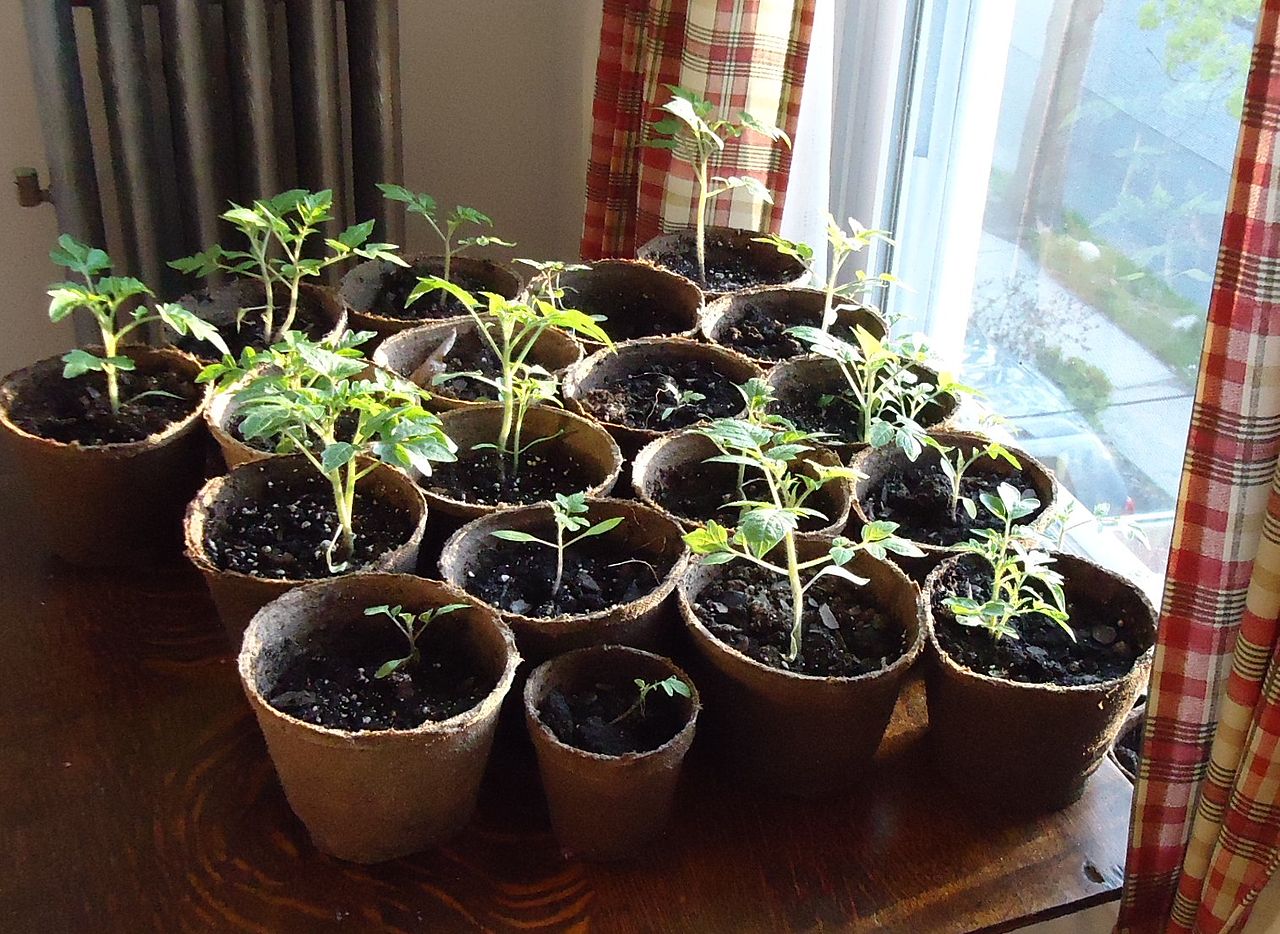
Tomatoes are warm-season plants, so the best transplant window opens only when several readiness signals agree. University of Minnesota Extension says to plant tomatoes outdoors only after all danger of frost is past. Utah State University Extension adds that tomatoes establish best when soil temperatures are around 60°F and nighttime air temperatures stay above 50°F. New Hampshire Extension makes the seedling-side rule just as clear: choose compact transplants with thick stems and bright green leaves, not oversized plants that are already flowering heavily.
That combination matters because roots need warmth to recover from transplanting. A date on the calendar can tell you when frost is less likely, but it cannot tell you whether cold spring rain just dragged soil temperatures down for four straight days. Seedling size also matters because transplanting a weak, stretched plant into a cold bed usually compounds two problems at once.
| Signal | Target | Why It Matters | Hold Off If |
|---|---|---|---|
| Frost risk | Past the local frost window | Tomatoes are damaged quickly by cold injury | Forecast still shows frost or near-frost nights |
| Night temperature | Consistently above 50°F | Warm nights keep root growth active | Lows still dip into the 40s |
| Soil temperature | About 60°F or warmer | Cold soil slows nutrient uptake and root expansion | Bed feels cold and stays wet after rain |
| Seedling structure | 6 to 10 inches, stocky stem, several true leaves | Compact plants recover faster | Plants are pale, lanky, or root-bound |
| Hardening off | 7 to 10 days completed | Prevents sun, wind, and temperature shock | Leaves have only seen indoor conditions |
If you need a scheduling framework before you ever start seeds, use our zone-based seed starting calendar first, then come back to this checklist once the plants are physically ready to move.
How Big Should Tomato Seedlings Be Before You Move Them Outside?
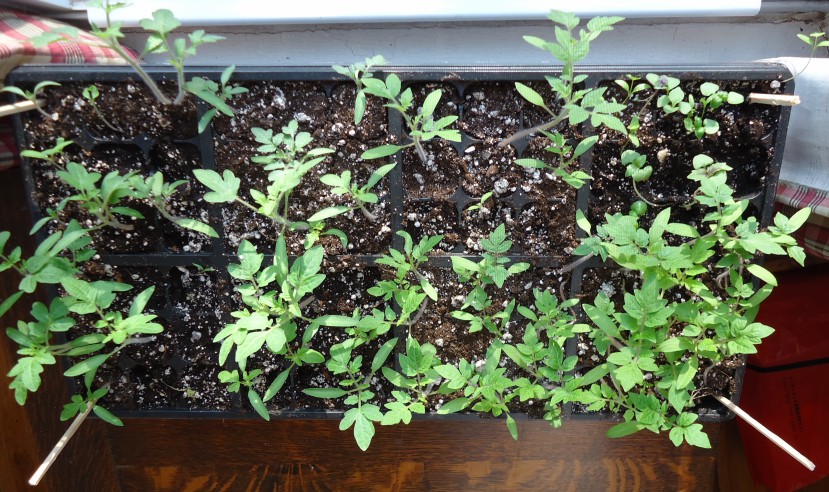
Height is useful, but it is not the whole test. UNH Extension recommends buying or transplanting stocky seedlings that are less than six inches tall, as broad as they are high, with thick stems and healthy color. That guidance explains why homegrown tomato seedlings sometimes fail even when they look impressively large on a windowsill. A tall plant that stretched toward weak light is usually less resilient than a shorter seedling with tighter spacing between leaves.
Most home gardeners can use a simple readiness profile: the plant has 5 to 7 true leaves, the stem feels sturdy rather than floppy, the root ball holds together when gently slipped from a pot, and the plant does not already need daily rescue watering in its container. Once that profile is met, waiting forever for a bigger transplant rarely improves outcomes. In fact, holding tomatoes too long indoors often creates more root circling, more flower drop, and a harder hardening-off period.
Signs a tomato seedling is ready
- Stem is thick enough to stand upright without flopping toward light.
- Leaves are dark green and evenly spaced rather than long and pale.
- Roots fill the pot lightly without forming a dense hard coil.
- Plant recovers quickly after normal watering and is not constantly wilted.
- You can move it outdoors for hardening without leaf scorch after a short exposure.
If your seedlings still look leggy, return to the earlier setup steps in our guide on how to grow tomatoes from seed before you assume the answer is simply to plant them outside sooner.
What Weather and Soil Conditions Are Safe for Tomato Transplanting?
The most reliable outdoor trigger is a stable warming trend, not one perfect afternoon. UMN says to wait until frost danger is over. USU adds that tomatoes perform best once nighttime temperatures are above 50°F and soil is around 60°F. Colorado State's Grow and Give transplant sheet goes a step further by suggesting daytime temperatures around 70°F for planting. Those numbers line up around one practical point: tomatoes want a genuinely warm planting window, not a brief tease of spring.
Soil condition matters alongside temperature. A raised bed can read warmer than in-ground soil on a sunny afternoon but still stay cold and wet below the surface after repeated storms. If the bed smears when you squeeze it, or if cool rain is sitting in the root zone, the calendar may say "plant now" while the soil is still saying "wait."
Best transplant day: pick a calm, bright-but-not-brutal day, ideally with light cloud cover or late-afternoon planting time. UMN specifically recommends setting plants out on a cloudy, windless day to reduce immediate stress.
| Condition | Good Window | Risk If You Rush | Better Adjustment |
|---|---|---|---|
| Typical in-ground bed | Warm soil after frost risk passes | Cold roots and stalled growth | Wait for a stable warm spell |
| Raised bed | Warms earlier but dries faster | False confidence from warm surface only | Check deeper soil, not just top inch |
| Large container | Faster spring warm-up, easy sheltering | Quick temperature swings at night | Move pots under cover during cold snaps |
| Short-season climate | Use row cover or wall protection after planting | Repeated chill setbacks | Delay a few days and protect smarter |
Gardeners using beds that warm quickly often pair timing decisions with mulch strategy. Once the soil is genuinely warm, the water-control guidance in our mulch and evaporation guide helps keep that new transplant zone stable instead of alternating between soggy and dry.
How Long Should You Harden Off Tomatoes Before Planting?
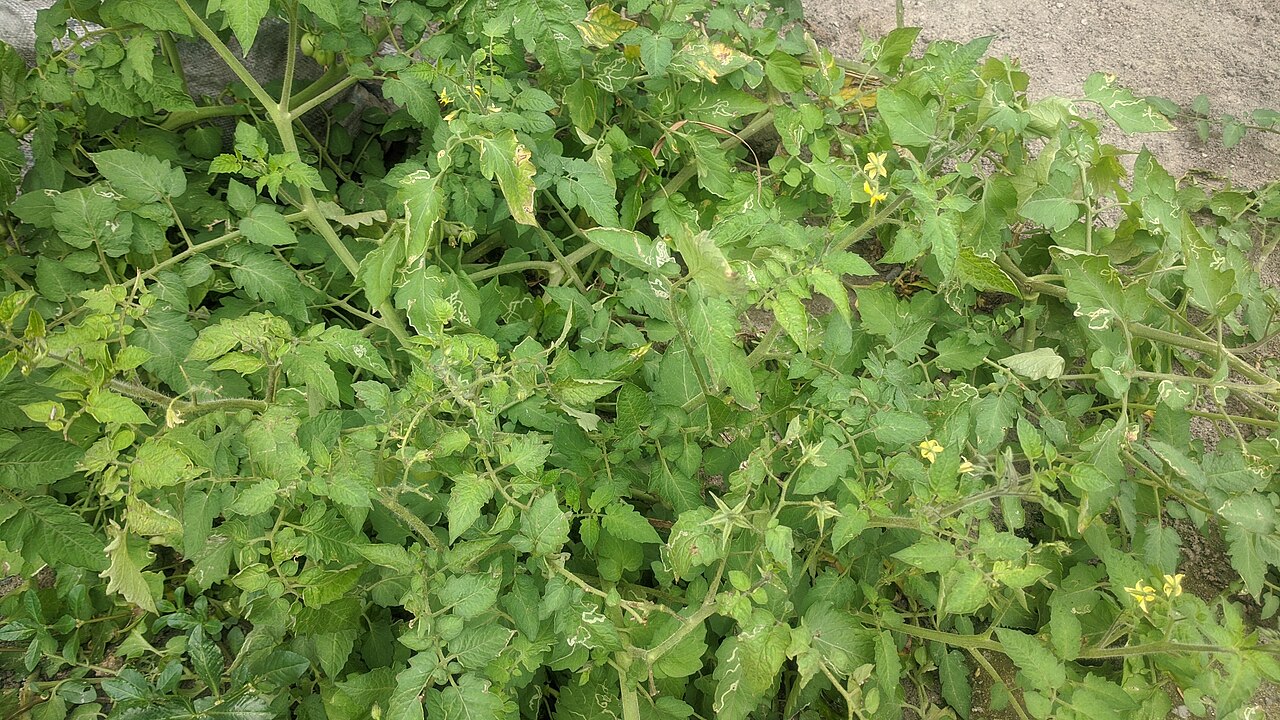
About a week is the minimum, and ten days is safer for plants that have only known windowsill or grow-light conditions. UNH Extension recommends roughly ten days of hardening off before transplanting tomatoes into the garden. That timeline matters because transplant shock is not only about root disturbance. Leaves and stems also need time to adapt to stronger ultraviolet light, wider temperature swings, and moving air.
A rushed hardening-off process shows up fast: leaves bleach, curl, or wilt hard in afternoon sun even when the root ball is moist. A disciplined hardening schedule avoids that by exposing the plants to outdoor conditions in controlled steps.
Simple 7-day tomato hardening schedule
- Day 1: 1 to 2 hours in bright shade, then back inside.
- Day 2: 2 to 3 hours outside, still sheltered from strong wind.
- Day 3: Half day outside with brief morning sun.
- Day 4: Longer light exposure plus gentle air movement.
- Day 5: Most of the day outside; bring in if nights drop below 50°F.
- Day 6: Full day outside in the exact zone where you plan to plant.
- Day 7: Overnight only if weather is mild, then transplant in the next suitable window.
Our dedicated guide on hardening off seedlings covers the full workflow in more detail, but for tomatoes the core rule is simple: do not count a plant as transplant-ready if it has not learned how to handle real wind and sunlight yet.
How Do You Transplant Tomatoes Without Causing Shock?
Once the timing is right, technique becomes the next leverage point. Colorado State says to water in the transplant well and, if the plant is leggy, set it deeper in a trench-like hole with only the top portion above the soil. Deep planting works because tomatoes can root from buried stem tissue, giving you a larger underground support system quickly. But that trick only helps when the soil is already warm enough to support new rooting.
Tomato transplant shock usually comes from stacking stressors: cold soil, bright sun, wind, dry root balls, and post-plant root disturbance from adding supports later. The easiest way to avoid that pileup is to prepare everything before the plant leaves the pot.
| Step | What to Do | Why It Works | Common Error |
|---|---|---|---|
| Pre-water | Water the seedling before planting | Reduces dry root-ball stress | Planting a wilted seedling into dry soil |
| Set supports first | Install stake or cage at planting time | Avoids later root damage | Driving a cage in after roots spread |
| Plant deep | Bury part of the stem or trench a leggy plant | Builds a larger rooting zone | Leaving a stretched stem fully exposed |
| Water in | Soak soil thoroughly right after planting | Settles soil around roots | Relying on a light sprinkle only |
| Shade briefly if needed | Protect from harsh afternoon sun for a day or two | Helps the plant recover without leaf scorch | Full intense sun immediately after planting |
If you are planting into containers instead of open ground, combine this method with our container-specific guide on how to grow tomatoes in pots so transplant timing and container sizing stay aligned.
Should You Transplant Tomatoes That Already Have Flowers?
You can, but that does not always mean you should. UNH warns against choosing large tomato transplants that already show flowers or fruit because big plants suffer more transplant shock and do not necessarily yield earlier in real backyard conditions. This surprises gardeners because a blooming nursery tomato looks "ahead." In practice, a smaller plant that roots fast into warm soil often catches and passes it.
Flowering transplants are most risky when conditions are still marginal. If nights are cool and the plant spends its first week trying to protect blossoms instead of expanding roots, early fruit timing can actually get worse. Under warm stable conditions, the problem is smaller, but it still makes sense to prioritize root establishment over bragging-right first blooms.
Buying the biggest tomato on the nursery bench is not the same as buying the earliest harvest. Timing, root recovery, and warm soil matter more.
When a larger transplant can still work
Larger tomatoes can be acceptable when soil is warm, weather is settled, and you can plant them without additional delays. If you already brought home a flowering plant, keep watering even, avoid extra fertilizer at planting, and make sure support is installed immediately so the plant does not wobble in the wind.
What Changes in Raised Beds, Containers, and Cool Climates?
The answer to when to transplant tomatoes shifts slightly with the growing system. Raised beds warm faster, which can open the transplant window earlier, but they also cool faster at night during erratic spring weather. Containers do the same thing on a smaller scale. That means a tomato may be safe in a large dark pot you can move near a wall, while the in-ground bed next to it is still too cold.
Cool-climate gardeners should think in layers rather than in a single date. Use the readiness dashboard, then decide whether temporary protection can reduce risk enough to plant a little earlier. Floating row cover, a short tunnel, or simple nighttime shelter can make sense after transplanting, but those tools do not cancel the need for warm soil. Protection works best as a margin of safety, not as a substitute for the right planting window.
Three practical scenarios
Raised bed after a cool rain: wait for the bed to drain and rewarm before planting, even if the air forecast looks good.
Five-gallon patio container: you can often transplant slightly earlier if the pot can be moved or covered during cold nights.
Short-season garden: prioritize soil warming and wind protection, then transplant once the trend is clearly improving rather than gambling on a single warm weekend.
Gardeners using self-watering systems should also account for slower spring warming inside wet media. Our guide on how to build a wicking bed explains why reservoir-fed beds need correct thermal timing as much as they need correct plumbing.
What Should You Do in the First Week After Transplanting Tomatoes?
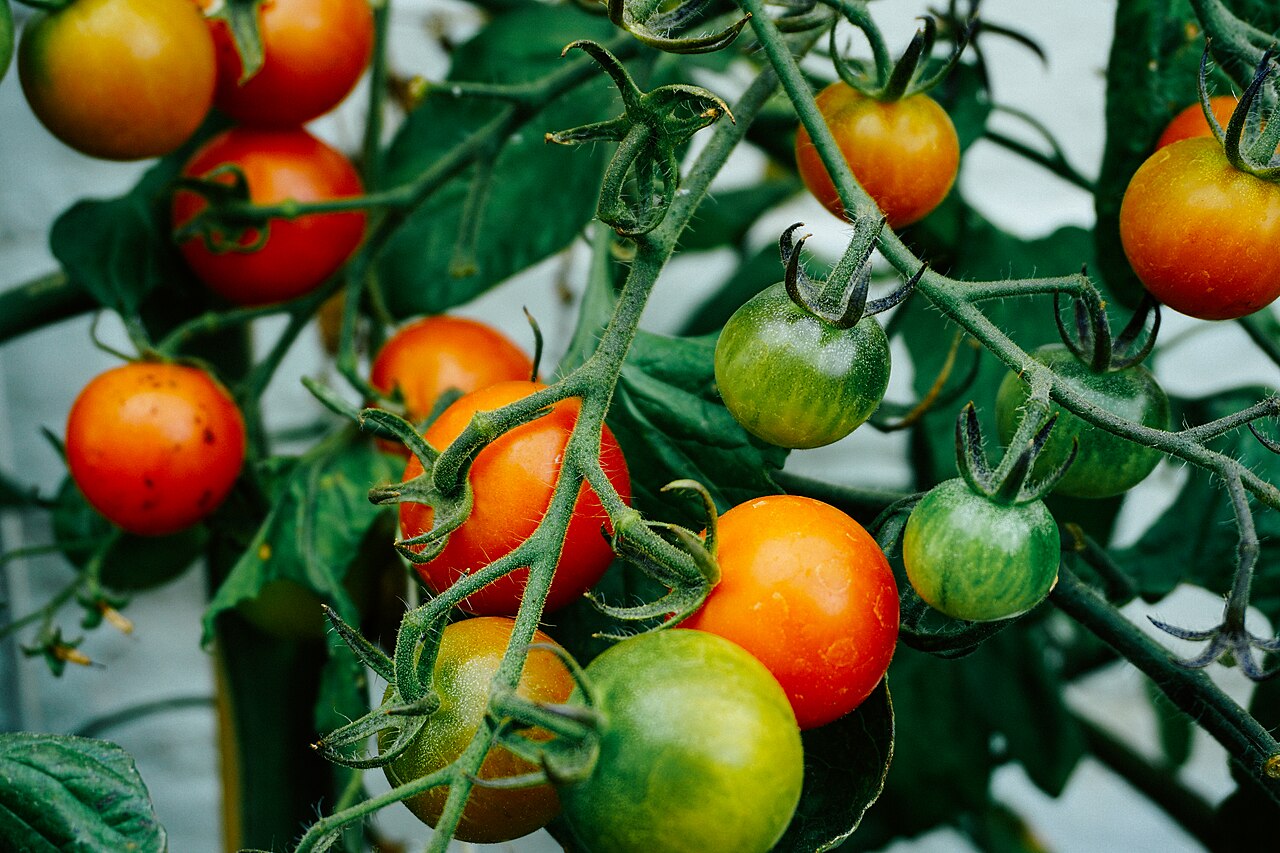
The first week is where timing proves itself. A properly timed transplant should look a little still for a day or two, then start pushing new growth without severe yellowing or sunburn. If you see dramatic curling, bleaching, or limp afternoon collapse while the root ball is moist, the plant is telling you that either hardening off was incomplete or the weather window was not as safe as it looked.
| Day | Main Check | Healthy Sign | Warning Sign |
|---|---|---|---|
| Day 1 | Watered-in soil contact | Plant stands upright by evening | Persistent wilt in cool weather |
| Day 2-3 | Leaf response | Minor droop, no bleaching | White sunscald patches or severe curl |
| Day 4-5 | Root adjustment | Stem stays firm, foliage color holds | Yellowing lower leaves plus stalled growth |
| Day 6-7 | New growth | Fresh leaf expansion at the tip | No recovery and worsening wilt |
Do not over-correct with fertilizer right away. Root recovery comes first. Consistent moisture, wind protection if needed, and patience usually solve more early transplant problems than aggressive feeding.
Common Mistakes That Make Tomato Transplant Timing Go Wrong
The first mistake is transplanting because stores are selling tomatoes, not because your site is ready. Garden centers often stock plants well before many local gardens have warm nights or warm soil. The second mistake is using last frost date alone. Frost dates are useful planning anchors, but tomatoes still struggle when the frost is gone and the root zone is cold.
The third mistake is transplanting leggy plants without adjusting the planting method. Deep planting or trench planting can rescue an elongated stem, but only if the gardener recognizes the problem and uses warm soil. The fourth mistake is skipping support installation until later. UMN notes that stakes or cages should go in at planting time, because post-plant installation disturbs roots just when the plant is trying to establish them.
The last mistake is trying to solve weather stress with extra water. Overwatering cold, shocked tomatoes does not help them root faster. It often makes the soil colder and less oxygenated. Better timing almost always beats rescue watering.
FAQ: When to Transplant Tomatoes
How tall should tomato seedlings be before transplanting?
Most tomato seedlings are ready once they are stocky, dark green, and roughly 6 to 10 inches tall with several true leaves. Readiness matters more than height alone, because a compact plant with hardened foliage usually establishes faster than a taller, stretched seedling. Treat stem thickness and leaf color as part of the test.
What temperature is too cold to transplant tomatoes?
Tomatoes should stay out of the garden until frost danger has passed, nighttime lows hold above 50°F, and the soil is warm enough to support active roots. Cold nights and chilled soil slow establishment even when afternoon weather looks fine. A single warm Saturday is not enough if the next three nights are cold.
Should you bury tomato stems when transplanting?
Yes, many gardeners plant tomatoes deeper than they grew in the pot because buried stem tissue can produce additional roots. That only works well in warm, drained soil, so deep planting is a timing decision as much as a planting-depth decision. If the plant is badly leggy, trench planting is often easier than forcing it into a vertical deep hole.
Can you transplant tomatoes with flowers already on them?
You can, but larger flowering transplants often pause while the root system catches up after planting. For earlier harvest in real gardens, strong vegetative growth after transplant usually matters more than buying the biggest nursery plant. Smaller well-timed plants often outperform oversized early purchases.
How do you avoid tomato transplant shock?
Prevent shock by hardening plants off for about a week, transplanting into warm soil, watering immediately, and avoiding windy cold nights right after planting. Staking or caging at planting time also reduces root disturbance later. Timing and handling work together; one does not replace the other.