
How to Use a Companion Planting Chart for Vegetables That Actually Works
A companion planting chart for vegetables works when you use it as a spacing and timing tool that matches plant habits, light needs, and harvest windows instead of treating pairings like magic pest control. The highest success rates come from combining proven pair groups with airflow lanes, crop rotation, and weekly scouting so mixed beds stay productive through the full season.
A companion planting chart for vegetables is most useful when it helps you decide what vegetables grow well together in real bed space, not just in a printable list. The strongest companion planting combinations usually pair different root depths, different canopy heights, and different harvest timing so beds produce steadily while pest pressure and disease risk stay manageable.
This guide gives you a practical layout system, a bad companion plants chart for common mistakes, and a decision framework you can run in raised beds or in-ground rows. You will also see where companion planting helps, where claims are overstated, and how to combine pairings with irrigation and soil planning for measurable outcomes.
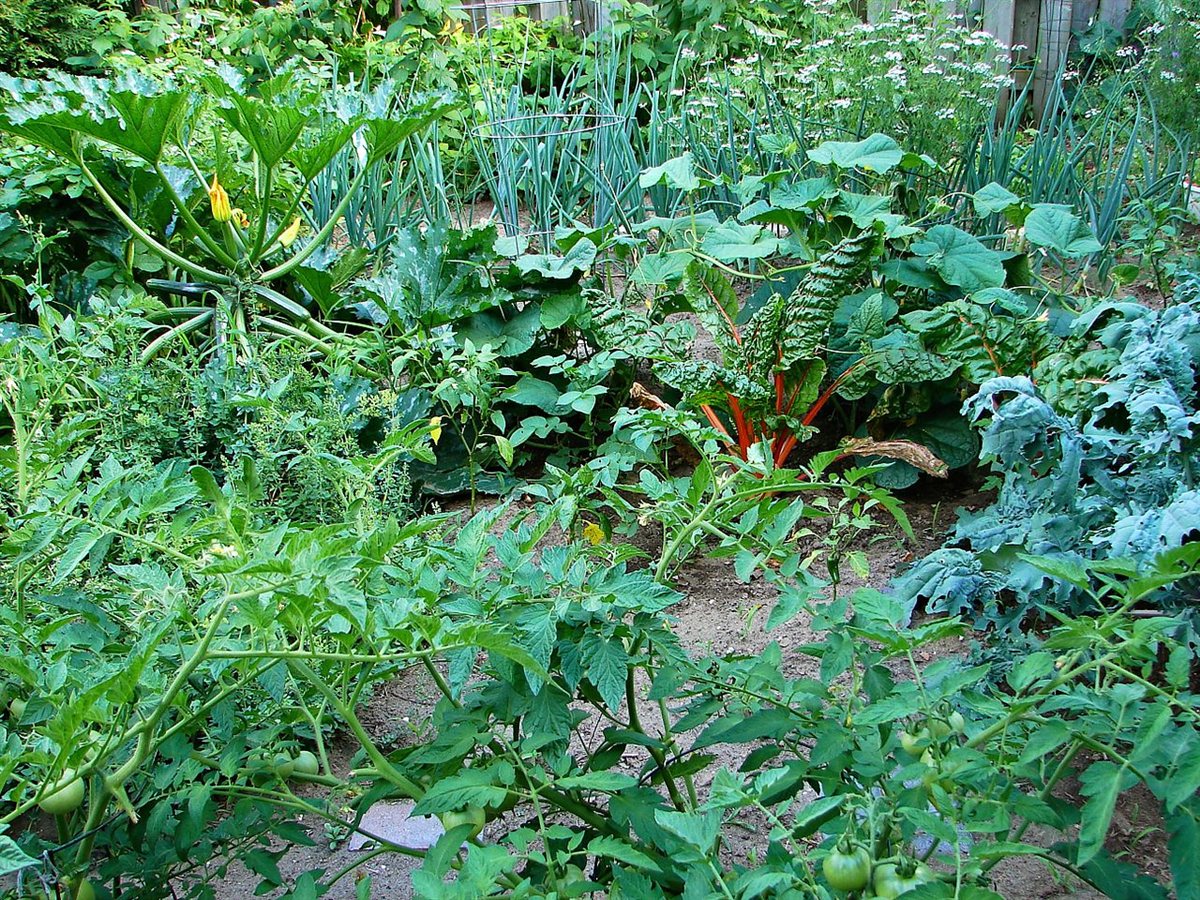
Why Does a Companion Planting Chart for Vegetables Improve Bed Performance?
Most home gardens fail at companion planting because charts are read as simple "plant A with plant B" rules with no context for spacing, root competition, or irrigation zones. In practice, a chart should act like a planting operations map. It tells you where to place heavy feeders, where to place shallow-rooted quick crops, and where to leave airflow corridors so mixed beds do not become humid disease pockets by midsummer.
When done correctly, companion planting improves three things you can actually measure: bed occupancy efficiency, beneficial insect traffic, and labor predictability. Occupancy efficiency means fewer empty gaps as spring crops finish and warm-season crops take over. Beneficial insect traffic improves when flowering companions are distributed across the bed instead of isolated in one corner. Labor predictability improves because crops with similar irrigation and harvest rhythms are grouped together.
The claims that companion planting always eliminates pests are too strong. Extension and university guidance usually frames companion planting as one component of integrated management, not a stand-alone control method. That is good news for homeowners because it gives you a realistic expectation: pairings can reduce risk and improve resilience, but you still need scouting, sanitation, and rotation.
| Claim | What Typically Holds Up | What Usually Fails | Practical Takeaway |
|---|---|---|---|
| "Planting companions prevents all pests" | Can improve habitat diversity and scouting visibility | Guaranteed elimination of insect pressure | Use companions with weekly monitoring and thresholds |
| "Any mixed bed is better than blocks" | Mixed canopies can reduce bare soil and heat stress | Overdense beds with poor airflow | Keep lane spacing and pruning rules |
| "Charts replace crop rotation" | Pairings help seasonal planning | Ignoring same-family disease carryover | Rotate crop families annually |
| "Flowers are optional" | Vegetable-only beds can still produce | Lower pollinator activity in sparse landscapes | Add strategic flower strips at edges |
If your beds struggle with uneven moisture, pair this with a spring irrigation audit workflow so companion zones are irrigated consistently rather than overwatered by guesswork.
Which Vegetables Grow Well Together in the Same Bed?
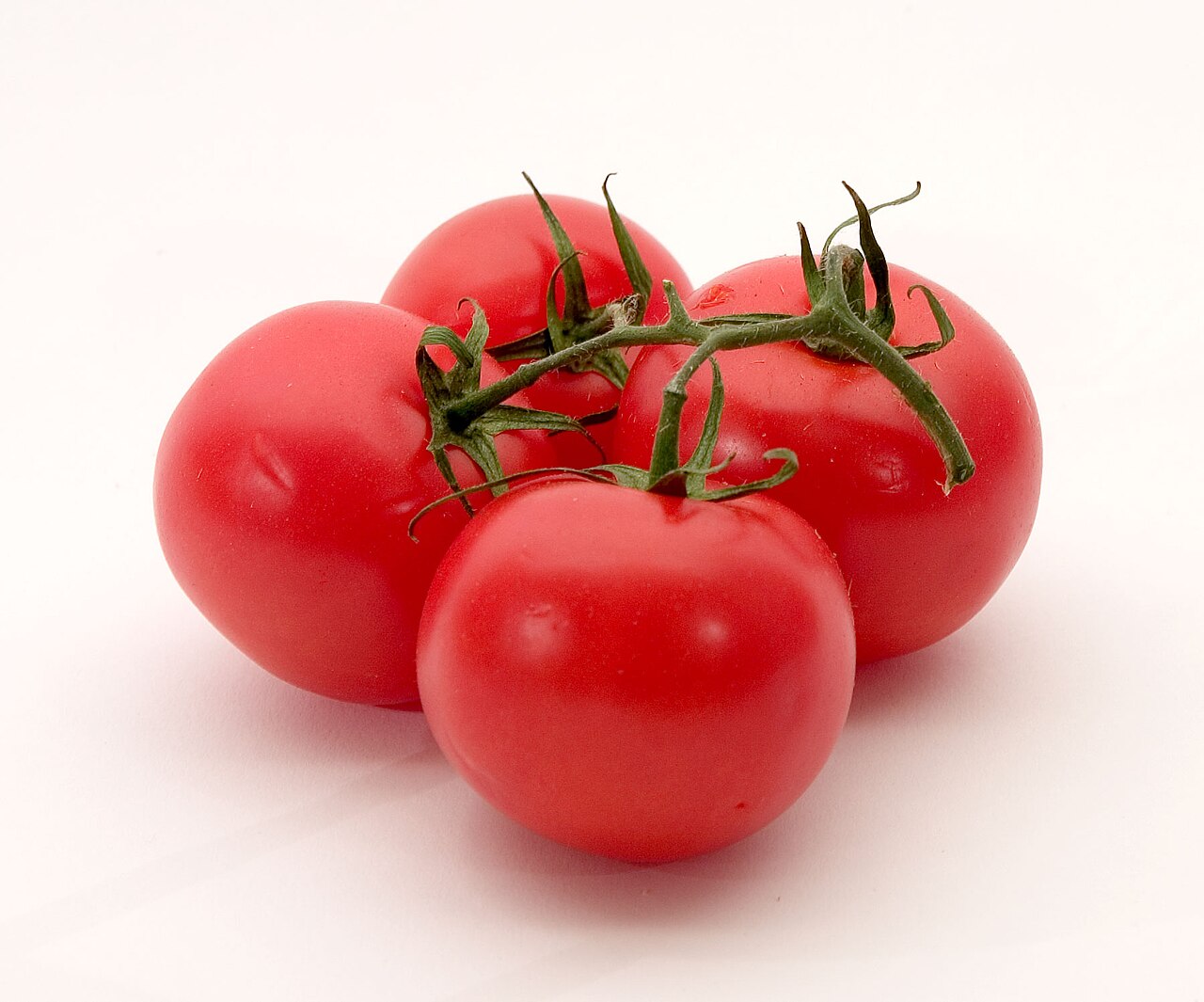
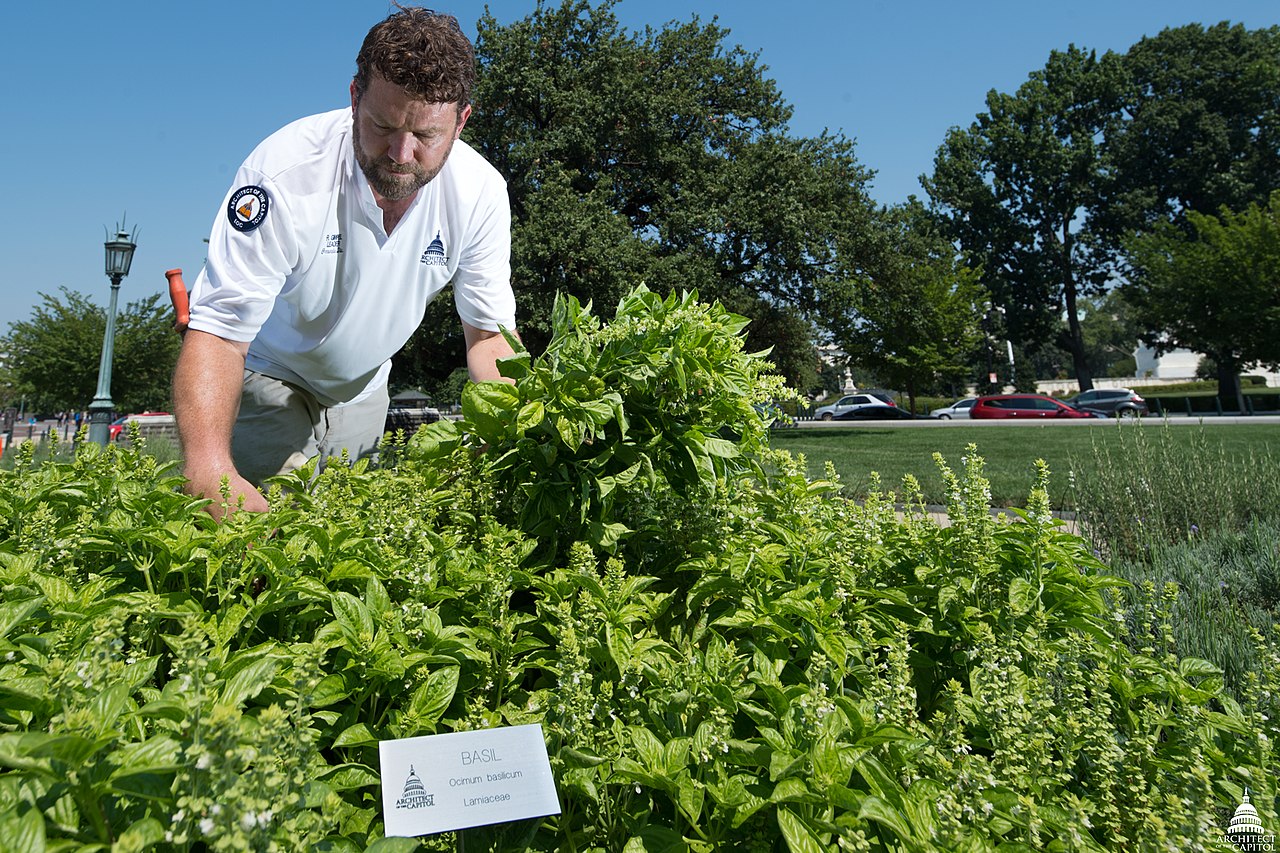
The most reliable pairings combine plants with different growth architecture and compatible temperature windows. Tomatoes and basil are a classic example because basil fits at tomato edges without competing heavily for vertical space. Carrots and onions can also perform well in beds with disciplined spacing because one occupies narrow tops while the other remains low-canopy early in the season.
Another high-value pairing strategy is to combine "anchor crops" and "service companions." Anchor crops are your yield priorities such as tomatoes, peppers, cucumbers, and brassicas. Service companions are plants that stabilize bed function: flowers for pollinators, shallow-rooted fillers for soil cover, or quick crops that harvest before anchors need full space.
High-confidence companion groups
- Tomato + basil + edge marigolds in full-sun beds with strict pruning and staking.
- Cucumber + dill + nasturtium on trellis lanes with ground-level airflow preserved.
- Carrot + onion in staggered rows where thinning is done early and consistently.
- Lettuce + radish + scallion in spring transition beds before heat-sensitive crops bolt.
- Bush bean + low flowers on outer lanes where harvest access remains easy.
Companion planting gets harder when gardeners stack too many goals into one square meter. If you need predictable yields, run a two-layer system: one anchor pairing and one service pairing per bed. Three or more dense pair clusters often cause harvest bottlenecks and shading conflicts by peak summer growth.
What Vegetables Should Not Be Planted Together?
A bad companion plants chart prevents expensive season-long mistakes. Many conflicts are not dramatic on day one. They show up over four to eight weeks as stunting, uneven moisture stress, or rapidly increasing disease pressure where airflow disappears.
Alliums near legumes are one of the most cited caution zones in home gardens. Potatoes and tomatoes are another risk pair because both share key disease vulnerabilities, so keeping them separated by bed and rotation schedule usually protects your season. Fennel is often treated as a poor general companion in mixed beds because it can suppress nearby crops.
| Risk Pair | Primary Problem | Failure Signal | Better Alternative |
|---|---|---|---|
| Onion with bean or pea | Growth suppression risk in tight spacing | Weak legume vigor and short vines | Separate by bed or 3+ feet with barrier crop |
| Potato with tomato | Shared disease pressure and management overlap | Rapid spread of foliar issues | Rotate families into distinct zones |
| Fennel with most vegetables | Competition and suppression reports | Uneven nearby growth | Grow fennel in a dedicated block |
| Tall corn shading peppers | Light competition | Slow flowering and lower fruit set | Place tall crops on north or northwest edge |
| Dense cucurbits with no lane spacing | Humidity and mildew pressure | Early leaf disease spread | Trellis and open center lanes |
When pairing decisions are unclear, prioritize disease management first, then pollinator support, then aesthetic goals. This sequence usually prevents the largest yield losses.
For disease-reduction planning, you can align this chart with soil test interpretation before amendments and avoid overfeeding crowded beds that are already high-risk for foliar issues.
How Do You Build a Raised Bed Companion Planting Layout?
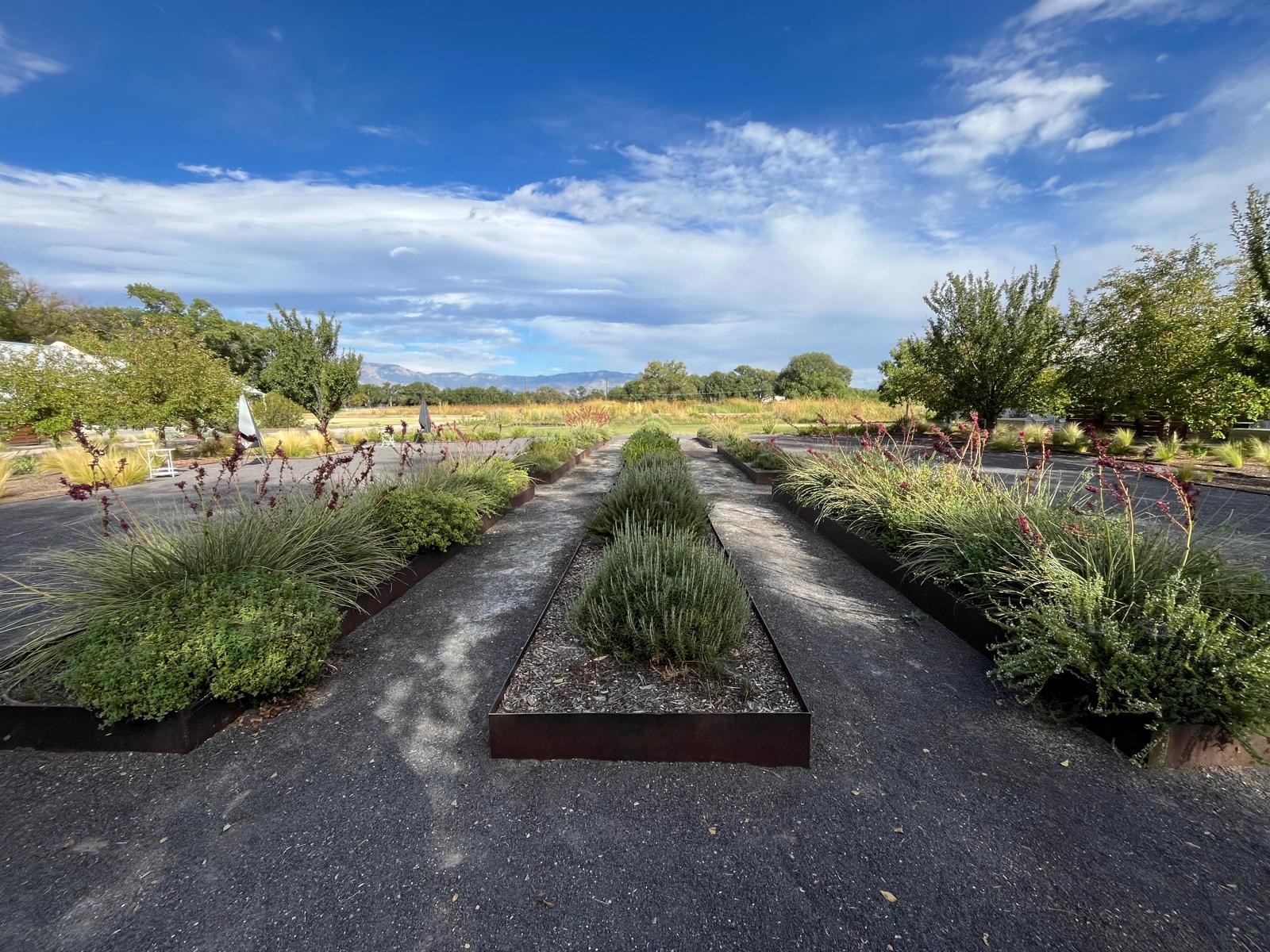
Raised beds make companion planting easier because boundaries are clear and irrigation zones are easier to tune. Start by mapping one bed at a time with four elements: anchor crop row, service edge row, airflow lane, and succession lane. The succession lane is where quick crops are harvested early so warm-season companions can expand into that space without emergency pruning.
Step-by-step layout workflow
Step 1: Reserve the sun axis. Put tall crops on the north or northwest side in most US backyards so they do not shade low crops through midday. This one decision fixes many late-season light conflicts.
Step 2: Assign the root zones. Keep deep-rooted anchor crops in fixed lines and insert shallow-rooted companions in edges. Avoid weaving roots randomly through the same 6 to 8 inch strip.
Step 3: Keep one open lane. Leave a narrow no-plant lane for airflow and scouting access. Dense companion beds fail fastest when you cannot inspect stems, undersides of leaves, or irrigation emitters.
Step 4: Schedule succession dates now. Mark a replant date for quick crops so the bed transitions smoothly instead of staying overgrown after initial harvests.
Step 5: Set trigger-based interventions. Define thresholds like "three leaves with active pest feeding" or "two days of wilting after noon" before the season starts. Companion planning is easier when responses are pre-committed.
If you already run raised beds, combine this workflow with your soil-fill strategy and with mulch-based evaporation control so mixed plantings do not create irrigation conflicts.
When Should You Plant Companion Crops for Maximum Benefit?
Timing is where many charts break down. A good pairing can still fail when one crop reaches maturity weeks before the other and leaves dead space, or when a service crop flowers too late to support pollinator movement during key fruit set windows. Companion planting schedules should be set relative to frost windows and crop growth speed, not calendar month alone.
Use three timing groups: pre-anchor, concurrent, and follow-on companions. Pre-anchor companions include quick greens and radishes that harvest before warm-season anchors fill the bed. Concurrent companions are plants that stay active alongside anchors, such as basil with tomatoes. Follow-on companions enter after first harvest clears space, such as fall brassicas after summer crops finish.
For busy homeowners, a simple timing calendar beats complex software. Schedule one 20-minute weekly garden review where you log three values: open bed area, crop stage, and next replant date. This keeps companion planting tied to actual bed conditions and prevents the most common midseason problem, which is leaving harvested gaps empty for too long. Consistent replant timing also improves weed suppression because soil is covered sooner after each harvest.
Scheduling rule: the companion should deliver its intended service before the anchor crop enters peak stress, not after.
| Season Stage | Companion Goal | Typical Crops | Watchouts |
|---|---|---|---|
| Early spring | Use space before heat crops expand | Lettuce, radish, scallion | Do not delay removal after harvest |
| Late spring to early summer | Support pollinators and canopy balance | Basil, dill, marigold edges | Avoid overcrowding base stems |
| Midsummer | Maintain soil cover and reduce heat stress | Low herbs and managed mulch strips | Humidity can rise if lanes close |
| Late summer to fall | Transition beds for new cycle | Quick greens and cool crops | Sanitize residue before replanting |
For calendar planning, use your frost framework from seed starting calendar by zone so companion timing aligns with transplant windows instead of guesswork.
FAQ: Companion Planting Chart for Vegetables
What vegetables should not be planted together?
A common high-risk pairing is alliums near beans and peas, because onions and garlic can suppress legume growth in tight beds. Potatoes near tomatoes can also increase shared disease pressure because both are susceptible to similar pathogens. When unsure, separate high-risk families and preserve airflow lanes.
Does companion planting really work in home gardens?
Companion planting works best for practical goals like canopy management, pollinator support, and habitat diversification, not as a guaranteed pest cure. You get stronger results when pairings are combined with spacing, rotation, sanitation, and irrigation consistency. Treat the chart as a planning tool, not a silver bullet.
Can I use a companion planting chart for vegetables in raised beds?
Yes, raised beds are often easier for companion layouts because you can control spacing, edge flowers, and crop blocks more precisely. Keep airflow lanes and avoid over-dense planting so disease pressure does not rise while you chase diversity. Raised beds reward structure and weekly maintenance.
What is the best companion plant for tomatoes?
Basil is a popular tomato companion because its compact habit fits tomato spacing plans and can help attract beneficial insects when flowering. Marigolds are also useful around bed edges for habitat diversity and visual pest scouting cues. The bigger factor is still pruning and spacing discipline around tomato stems.
How far apart should companion plants be?
Start with the spacing requirement of the larger crop, then fit companions in edge lanes or between rows where light and airflow stay adequate. Most failures come from squeezing companions too tightly rather than choosing the wrong plant pair. If leaves overlap heavily by noon, spacing is usually too tight.
Related Guides
Sources
- Companion Planting in Home Gardens (University of Minnesota Extension)
- Companion Planting (Oregon State University Extension)
- Integrated Pest Management Principles (US EPA)
- Integrated Pest Management for Home Landscapes (UC ANR)